This News article was made in collaboration with Asma M. Ibrahim.
It is not a new concept to know that the media – specifically Western media, plays a role in shaping the public’s opinion about essentially anything through the ways they represent a certain subject. Whether about a certain group, such as religion, race, ethnicity, country, or even a product, the media has the power to influence others. In this case, it is about the Afghan people.
The Impact of the Misrepresentation of Afghans
Ungovernable, terrorists, women oppressors, and backward thinkers are some of the words used in Western media like movies, to stereotype such a large and diverse group of people. All of whom have different opinions and cannot be stereotyped into one type of person. This misrepresentation is extremely harmful especially when it concerns a minority group in a Western country like America. It can result in hate speech, stigmatization, physical altercation, racism, and can even have an impact on the identities of Afghans.
The History and Diversity of Afghanistan
To understand why the media has such a big role in the stereotyping of Afghans, knowing the history and political context of that region is important. The rich culture and beauty of Afghanistan are more often than not overshadowed by politics and war. Although Afghanistan is enriched with a beautiful culture of art, food, and literature, due to instances of instability especially during the Soviet-Afghan war, its image in the media has completely changed into terror, war, and chaos. However, the portrayal of Afghanistan in the media shouldn’t only be completely focused on the negatives of the region, but also the culture and history of it too. When the Western media focuses on the negatives only, the public watching and reading the news will build a negative image of Afghanistan which results in stereotyping a huge population. Also, it can lead to the dehumanization of Afghans and only viewing them as violent and terrorists. So, it is crucial to showcase the diversity of Afghanistan, not limiting it to the challenges the Afghan public faces. As an example of the media perpetuating negative stereotypes about Afghanistan, any Afghan character in a Hollywood or Bollywood film is usually represented as so by their cultural clothing. This is extremely harmful because it creates an association between any Afghan wearing their cultural clothing as terrorists, warlords, and drug lords; which completely takes away the rich history and culture behind their clothing.

An Afghan attire, embodying the richness of cultural heritage. 
This traditional Afghan headwear showcases cultural elegance, embracing authenticity. 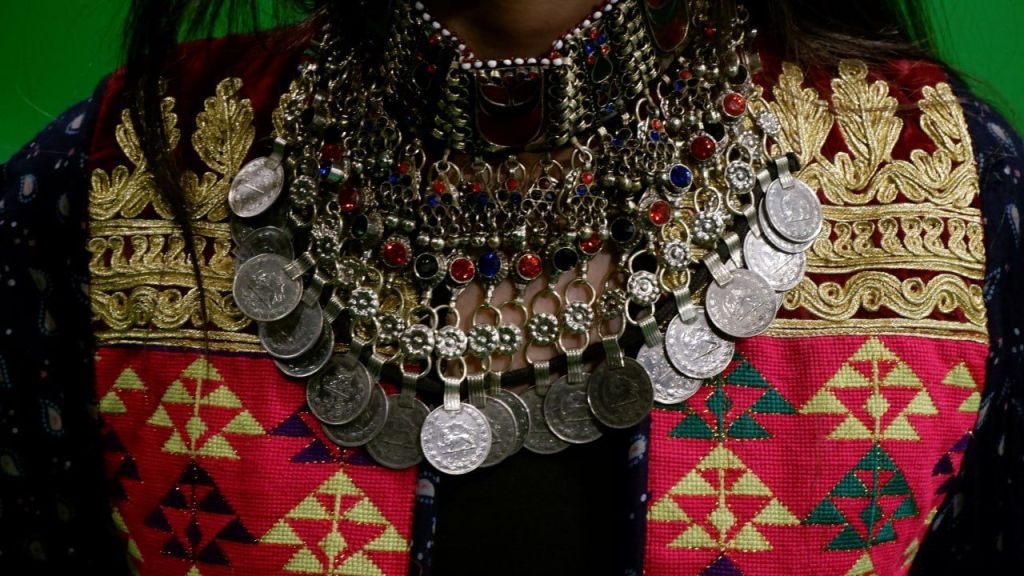
Capturing the essence of Afghan heritage, this ornate necklace reflects cultural richness and traditional elegance. Each detail tells a story of pride and tradition. 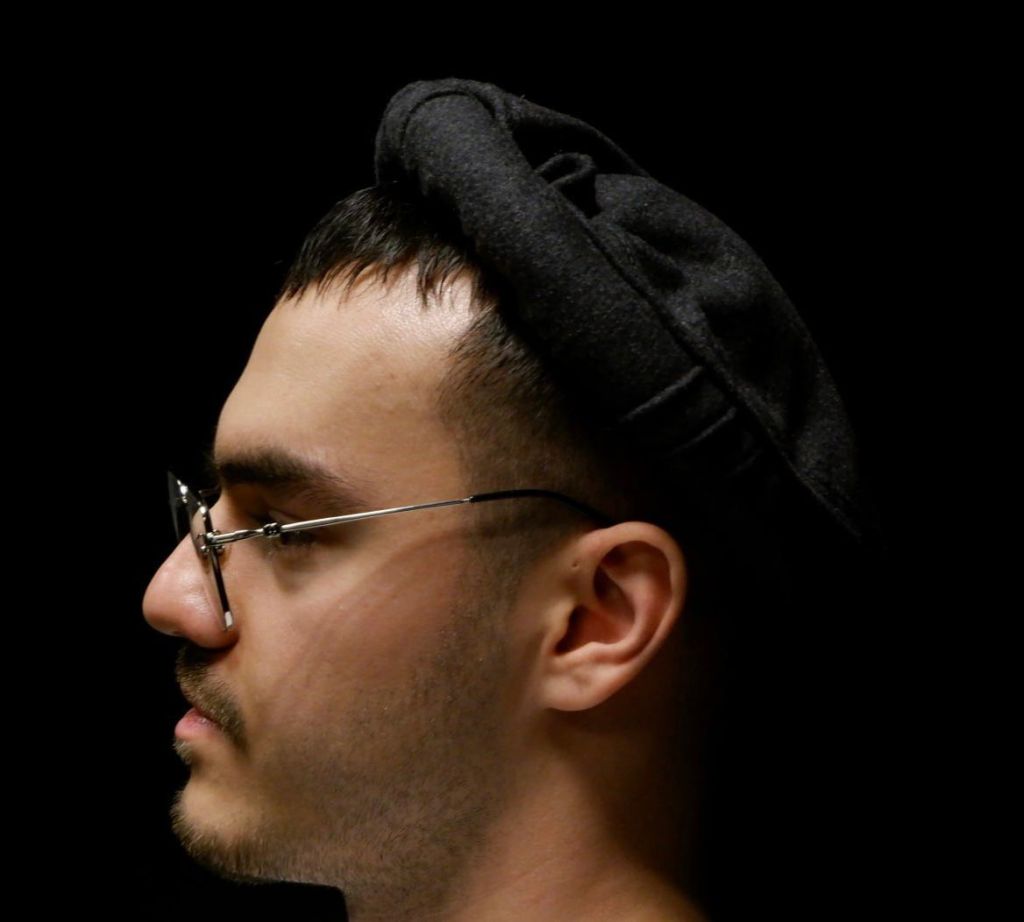
‘Pakool’, a traditional Afghan headwear often associated with media stereotypes. commonly worn in winter, serving as a warm and practical headwear choice in colder weather. 
Musa wears a Pakol, challenging preconceptions, emphasizing the need for nuanced representation.
Afghans consist of diverse groups of people, such as Uzbeks, Pashtuns, Hazaras, Tajiks, and more – each with different cultures, languages, and traditions. This should be emphasized in the media as it presents Afghans to the Western public in a new diverse light that could contribute to understanding the culture and diversity of Afghanistan underneath the war. There have been many Afghans who have positively contributed to their country, yet we do not hear much about them in the mainstream media. People like Dr. Habiba Sabari – Afghanistan’s first female governor and an activist for women and their rights to education, Ahmad Zahir – an iconic Afghan singer, and Malalai Joya – an advocate for democracy and women’s rights in Afghanistan, are some of the many who helped build Afghanistan’s culture and history. These people should not be forgotten about underneath the mass coverage of Afghanistan as only a place of war.
The Importance of Media Literacy and Critical Analysis When it Comes to Afghans in the Media
Digital media has become a very important source of information where millions participate in creating and consuming data. Thus, media literacy and the ability to critically analyze pieces of media such as films, news reports, podcasts, etc. is crucial. So, when it comes to a piece of media that involves the Afghan people or any minority group for the matter, digital users have to know what to believe from the mass sea of information online. They must develop skills to critically analyze the number of narratives drawn about Afghanistan and be able to tell apart real from fake. Additionally, they must detect stereotypes and biased reporting perpetuated in the media, specifically Western media. By doing so, users will be able to learn about the diverse narratives of Afghans, far away from what the media presents. Slowly, when more and more people start to develop their media literacy, they could start to understand Afghans in a new light, and demolish the harmful stereotypes made about them.
Timeline-History of the Misrepresentation of Afghans
Towards Nuanced Narratives: Diversity, Stereotypes and Media Literacy
To rectify the misrepresentation of Afghans, people must challenge all stereotypes presented in the media by developing their media literacy skills and having the ability to look deeper into an issue beyond what the media shows. Therefore, when the public can dismantle harmful and biased reporting, films, etc. they will be able to understand, learn, and reshape the narratives drawn by the West – which only presents Afghanistan as a region of war and terror, into a narrative showcasing the culture, beauty, and resilience of Afghans. The representation of any minority group must be questioned and analyzed to truly understand a situation which will help in understanding the diverse culture and struggles of others.

