History of palestine under occupation
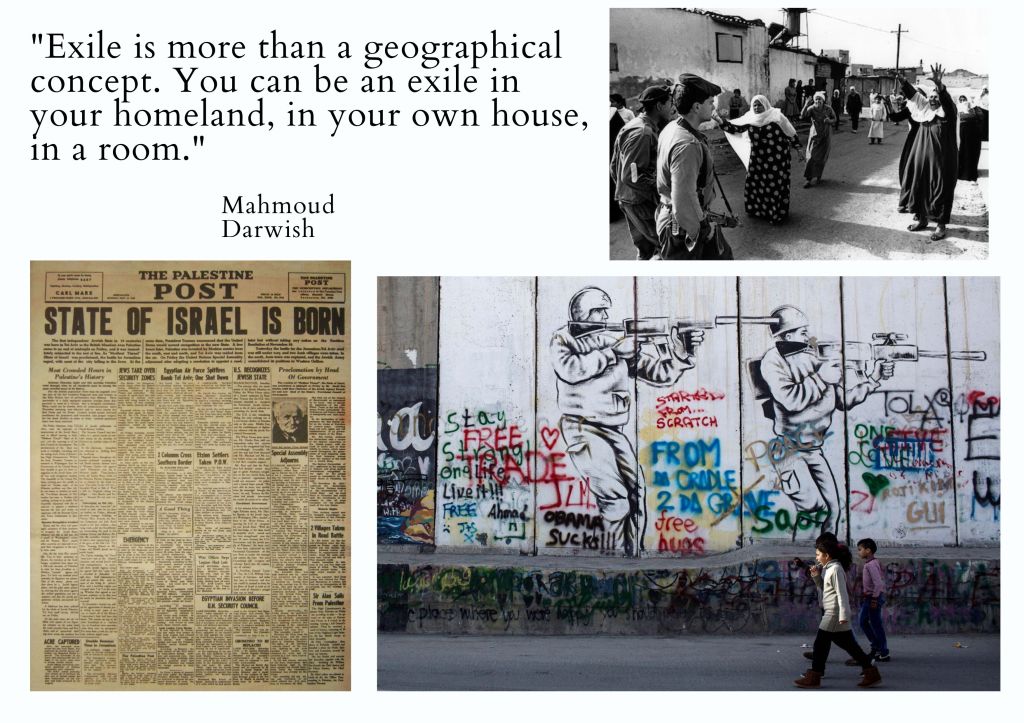
Palestine has been under occupation for 73 years, it started when the state of Israel was born, which signified the beginning of the Nakba. Over the next decades, hundreds of thousands of Palestinians were exiled from their lands, watched the death of their families and friends, and were stripped of whatever connection they had left to their homeland.
The beginning — Nakba
On May 15, 1948, The Nakba was officialized as the day Israel declared its independence and became an official state. The Nakba, which translates to “the catastrophe” in Arabic, happened from 1947-1949 during which a minimum of 700,000 Palestinians were exiled from their homes.
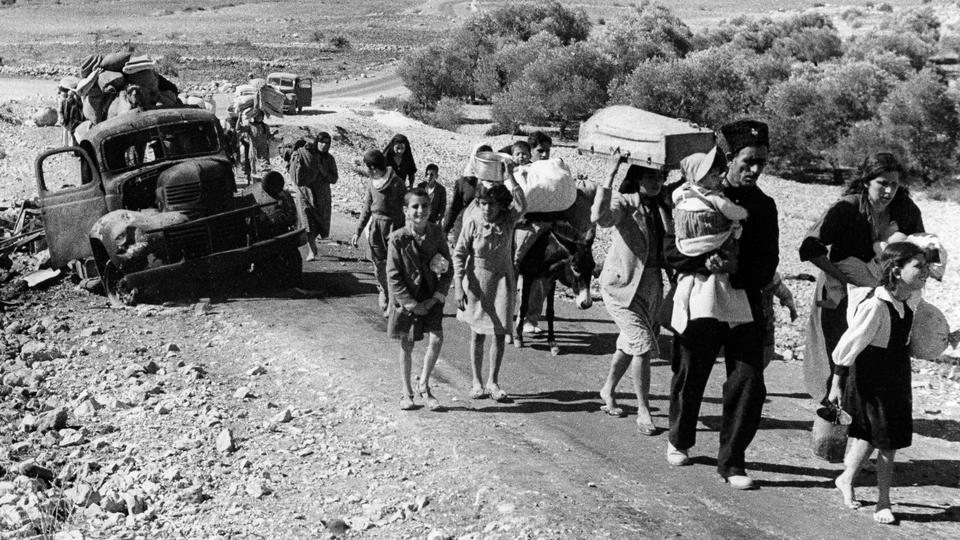
What Israel is doing to Palestine is simple and should not be sugar-coated, they are trying to ethnically cleanse Palestinians, and they have been for 73 years. During the Nakba, 15,000 Palestinians were killed, including children and women, and 531 Palestinian villages were demolished; these numbers have not stopped there, because over the next decades Israel has killed and exiled hundreds of more Palestinians for the single goal of building the state of Israel. This day marks an important date to Palestinians because, for many, their ancestors had to escape their homeland and build for themselves a new life out of Palestine with the hope of one day returning to their rightful land.
Intifada — Palestinians uprise against injustice
As Israel took over more and more Palestinian lands and increased settlements, Palestinians started to uprise against these policies.
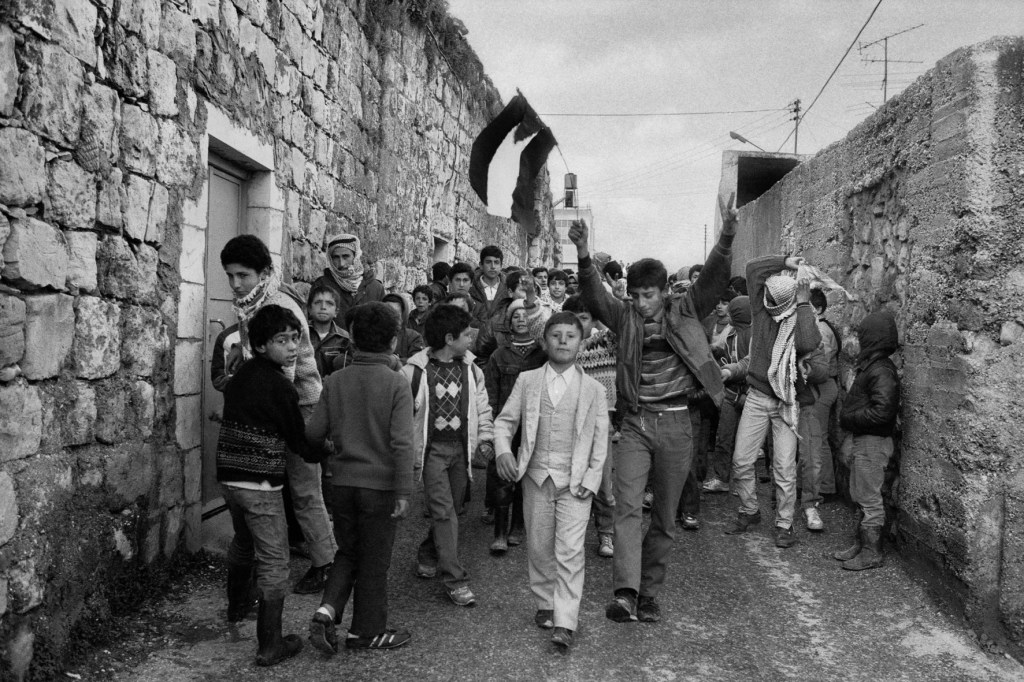
When an Israeli-driven tank vehicle crashed into a refugee camp in Gaza in the year 1987, four Palestinians were killed, and was thought of as revenge by Israel against the stabbing of an Israeli settler a few days previously. This was the breaking point for Palestinians and led to protests against Israel’s many prior aggression. The uprising resulted in 2,000 Palestinian deaths in contrast to 200 Israeli deaths. This first intifada lasted till 1993 and as time progressed and as the Israeli military became more aggressive, Palestinians went from throwing rocks to attacking with actual weapons.
The second intifada began in the year 2000, it was more known as the Al-Aqsa intifada due to it taking place in the Al-Aqsa mosque when 1,000 Israeli military soldiers stormed the place on the commands of the leader Ariel Sharon, which was the final trigger for Palestinians to revolt against them, and ended up costing the lives of over 4,900 Palestinians.
Mohammed El-Kurd: “Colonial borders are only effective in the minds of colonizers.”
Mohammed El-Kurd, alongside his sister Muna El-Kurd, are residents in Sheikh Jarrah, East Jerusalem. Since he was a child, he has been documenting his experience living under the occupation, as a poet and writer, he has become a big voice about the colonization happening in his homeland, this year in particular.
Though his neighbourhood, Sheikh Jarrah, has always been colonized by Israeli settlers, the IOF (Israel Occupation Forces), and police — in fact, when he was 11, half of his home was taken over by Israeli settlers — during May of this year, 2021, his neighbourhood (and many other villages and neighbourhoods) has been set to be completely evicted in order to build more Israeli settlements in its place.
Through sharing his voice about the ethnic cleansing happening in Palestine, and showing the world a point of view into their lives, he, along with many more young Palestinians, have helped spark a change in the media. Many all over the world had no clue about the occupation that has been happening for 73 years, however, due to many Palestinians sharing information about the issue and fighting for their homeland, digitally, it opened a door to many people that are willing to help end the occupation.
Yes, sharing a few posts online about the occupation may not be of any help, however, when many voices unite and speak out about such an important issue, it puts pressure on those in power.
Palestine fights for Gaza
While Sheikh Jarrah’s residents were fighting against getting dispossessed, Israel was attacking and bombing Palestinians along the Gaza strip, and worshippers in Al-Aqsa mosque. This sparked outrage across Palestine and caused over 20 towns, both that live in Palestinian towns and in Occupied Palestinian territories, to protest against the unfair killings of Palestinians.
As Palestinians all over Palestine, rioted against Israel, the IOF started to increase their violence, especially in towns that were ethnically cleansed during the Nakba, such as Haifa and Lydd. Palestinians houses were invaded and some were lynched. During the protests over 2,000 Palestinians were arrested and many were killed and injured, including children.
This war was different in terms of how social media allowed Palestinians to display their struggles with no filter. They had most of the world on their side, for the first time since the occupation.
Rawia Alami
Israel had warplanes raiding over Gaza 24/7, their electricity was cut off for hours on end in order to silence their voices, and people had their houses invaded unauthorized by the IOF, and family members imprisoned without reason. In fact, 2021 has been reported by Defense for Children International – Palestine as the deadliest year for Palestinian children since 2014, with 86 Palestinian children dead since January of this year.
Mariam Ziad Al-Zinati, a Palestinian that was in Gaza during the war of this year said, “Personally, this last war was the hardest for me because now that I’m old enough, I was fully aware of what was going on. Due to the heavy bombing, my family and I would all sleep in the same room in case our house would get bombed so that we would die together. The bombings were all at random times and places, and sometimes they would send 70 airstrikes at the same time, it would be so loud that we would think our house got bombed.”

